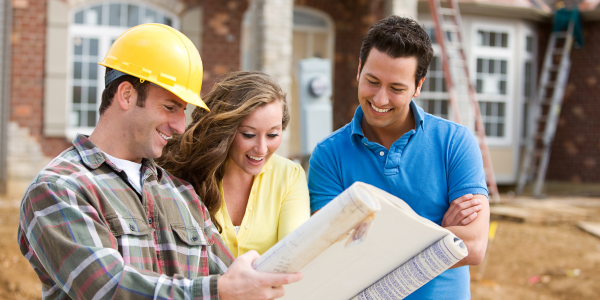
Are you having a rough time finding the exact home that meets your vision? Then building your dream home may be the right strategy for you. A custom home can take a few forms.
This label encompasses everything from buying a newly built home that allows for a few customized home plans to hiring a custom home builder who can tailor every plank, light switch, and master bedroom angle to your exact specifications.
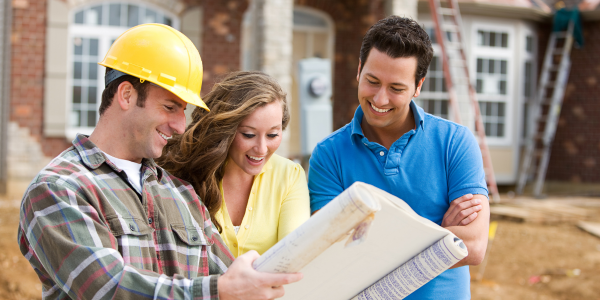
However, before you start building your dream home, you want to be sure you’re comfortable with the level (and cost and time) of personalization in this custom home.
So let’s dive into the things to know before building a home.
The Builder Floor Plan
One of the most attractive features of new construction homes is the carefully crafted builder’s floor plan. Professional home builders are, well, pros at what they do. The engineers, architects, and contractors know how to maximize space and provide layouts that appeal to the masses. You shouldn’t overlook this expertise, especially when it comes to the eventual resale value of your home.
On the other hand, some people want what they want. New construction home builders aren’t the same as custom home builders. That means there are limitations to custom home plans. That’s why the thought of building a house with a custom home builder can be appealing.
For instance, if you run an in-home day care, you may want a larger living room or expansive loft space. If a family member uses a wheelchair, you may want to create a certain bed-bath parity or modify entire rooms. If you’re training to be a contestant on America Ninja Warrior, you may need a backyard large enough to accommodate an obstacle course. You get the drift…
Buying an existing home or new home construction can be convenient, but you also want to ensure that it meets your specific needs. Consider whether new construction home plans will work for you and your family. If they don’t, then it might be a good idea to think about a custom home builder.
Neighborhood Considerations
This may sound obvious, but among the things to know before building a home is the fact that new construction is located, well, where it’s being built.
What do we mean by that? We mean the neighborhood or subdivision is naturally chosen for you. The houses are where they are. You either like their location, community amenities, schools, surrounding retail, and so on—or you don’t.
If you’re building a house, however, you can choose your location. (Well, choose your location within reason, that is.) You’ll still need to find a vacant lot that allows you to build your custom home.
If you’re going out on your own with a custom home builder, you do want to consider the fact that you won’t have any shared community amenities, such as a pool, pocket park, or clubhouse that come with many new construction neighborhoods, especially the ones that have homeowners associations (HOAs).
Minimal Modifications
The promise of a new and fresh home equipped with the latest in technology is a major perk of new construction. The building process incorporates state-of-the-art features, ensuring your home is aesthetically pleasing and super-advanced. Features like modern lighting fixtures, smart home technologies, energy efficiency, and extra storage space can create a dream custom home design.
Yet this advantage comes with a downside—the limitations on modifications. While you can work with the builder to achieve some customization, making major changes can be complex and costly. This is where the services of a custom home builder become invaluable. Opting to build a custom home from the ground up provides the flexibility needed to align the home with your unique preferences and lifestyle.
New construction typically has room for some personal touches but won’t allow for major modifications to the original plans. That’s because these can be both time-consuming and expensive.
If you have a really specific vision in mind for, say, the way your master bedroom is configured, then it may be a good idea to hire a custom home builder who can bring that vision to life. On the other hand, if you’re just looking to have a little say in the smaller items—think paint, lighting fixtures, appliances, types of light switches, and so on—then new home construction may be the best option for you.
Outdoor Elements
New construction homes often come with a landscaped front yard, which creates a fabulous curb appeal. But the backyard is typically left untouched. This can be a good thing or a bad thing, depending on you and your needs (and your wallet).
You can view this blank slate as your opportunity to carry out a few custom home aspirations, or you may see it as a time-consuming, added expense. In either case, you don’t want this outdoor amenity to turn into storage space (or do you?), so you’ll have to give it a little thought.
The pros and cons of buying new home construction versus building a custom home are a wash on this backyard space, but still one of the important things to know before building a home.
Building Your Dream Home
Building a home is a significant investment of both time and resources, but for many buyers, it is also a long-term commitment worth making. Thoughtful planning, quality construction, and the ability to incorporate modern features and technologies can result in a home designed to support your lifestyle for years to come.
If you are thinking long term and plan to stay in your home for many years, a custom build may be the right choice. Designing a home from the ground up allows you to prioritize layout, functionality, and features that align with your needs today and in the future.
Financing is a critical part of this decision. Unless you are paying cash, building a custom home typically requires a construction loan, followed by permanent financing once the home is complete. This is where understanding your options matters.
With a one-time close construction loan, construction financing and the permanent mortgage are combined into a single loan. You qualify once and lock in your long-term financing upfront, providing simplicity and predictability throughout the build.
With a two-time close construction loan, the construction loan and permanent mortgage are completed separately. This option can offer added flexibility, particularly if market conditions change during construction, but it does require qualifying and closing twice.
Whether you are deciding between new construction and a fully custom home or weighing the pros and cons of different financing structures, the right guidance can make all the difference. Your home is more than four walls. It is a long-term investment that should align with both your short-term decisions and your long-term goals.
APM Loan Advisors specialize in construction and new home financing and are here to help you explore your options with confidence.
Connect with a local APM Loan Advisor to discuss one-time and two-time close construction loans, new construction financing, and custom home options. You can also explore our free construction resources to better understand the process and plan your next steps.