- Key insight: Inflation accelerated in March, driven primarily by a surge in energy prices since the onset of the U.S. war in Iran.
- Supporting data: The Consumer Price Index, a monthly indicator of consumer inflation, rose 0.9% in March and 3.3% year-on-year. Gasoline prices were up 21.2% in March, accounting for three-quarters of the overall rise in inflation.
- Forward look: The Federal Reserve’s interest rate-setting body has said it is and will remain cautious about future rate cuts, with several officials saying they view the oil shock as temporary but wary of its potential to drive consumer inflation expectations.
The Bureau of Labor Statistics reports that the prices consumers pay spiked in March, with the Consumer Price Index rising 0.9% over the month and 3.3% from a year ago, driven almost entirely by an increase in energy prices.
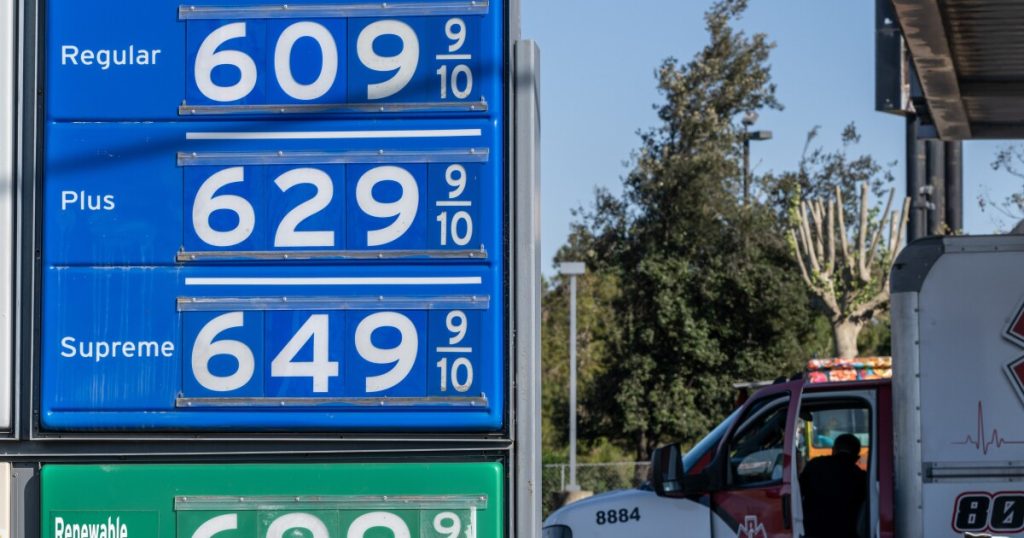
In March, gasoline prices surged 21.2%, pushing the overall energy index up 10.9%, the largest monthly increase in the index since September 2005. Gasoline prices accounted for nearly three-quarters of the overall increase, the BLS said.
Processing Content
Fuel oil rose 30.7%, the largest monthly increase in the index since February 2000. Electricity prices increased 0.8% and natural gas fell 0.9%.
Food prices were flat in March after rising 0.4% in February, with food at home and food at restaurants going in opposite directions; grocery prices fell 0.2%, while dining out edged up 0.2%. Within groceries, prices for meat, poultry, fish, and eggs fell 0.6%, with eggs specifically falling 3.4% over the month. Fruits and vegetables, however, rose 1.0%.
On a yearly basis, food prices are up 2.7%, with grocery prices increasing 1.9% and food away from home climbing 3.8%.
Core inflation, which excludes food and energy, continued to show moderation, rising 0.2% in March for the second straight month and 2.6% over the past year. Shelter costs rose 0.3% in March.
In
After lowering interest rates in three consecutive meetings to close out 2025, the Federal Reserve’s Federal Open Market Committee voted to keep its federal funds rate target range steady at 3.5% to 3.75% since January.
Federal Reserve Gov. Michael Barr in March
While some members, like Governor Stephen Miran,
“Traditionally, you would look through an oil price shock like this, which means that my policy outlook from before is unchanged, and my policy outlook from before would be gradual cuts of interest rates,” Miran said In an appearance on Bloomberg TV
Fed Chair Jerome Powell has stated that rate cuts depend on continued progress in controlling inflation. Higher oil prices, partly due to the war in Iran, are a concern for inflation, though some officials view this as a temporary shock rather than an ongoing inflationary pressure.
Speaking at
“You have to carefully monitor inflation expectations, because a series of these supply shocks can lead the public, businesses and households to start expecting higher inflation over time,” Powell said.