- Key takeaway: The way the Federal Reserve manages interest rates is as much about what it says as what it does.
- Expert quote: “I think truth-seeking is more important than repetition.” -Kevin Warsh
- What’s at stake: The Fed has spent decades building up a very public persona; will that change under Warsh?
Just say it
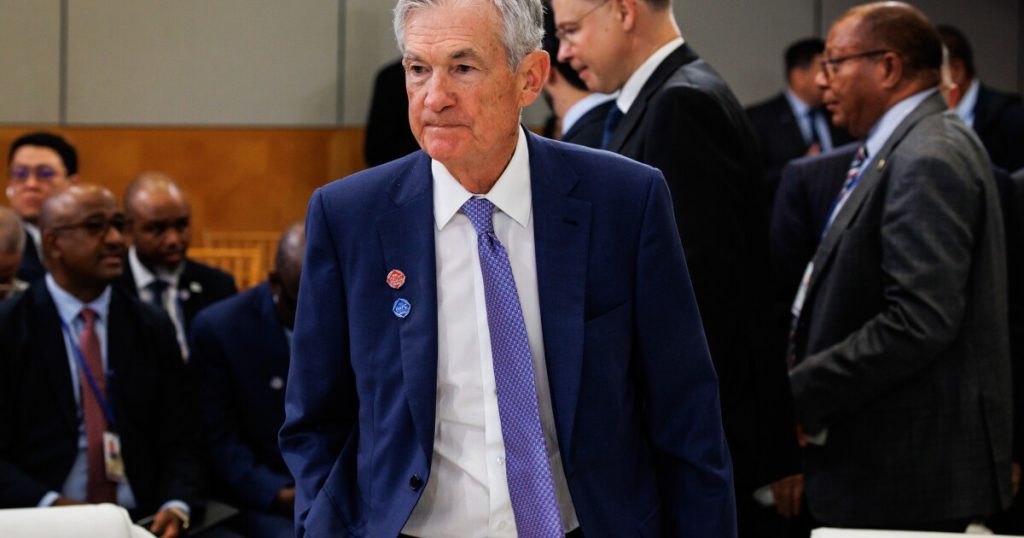
Jerome Powell will sit down today and field questions from the press for about half an hour or so, in what has become a ritual after every meeting of the Federal Reserve’s rate-setting committee. This is as you surely know
Processing Content
These post-meeting pressers have become standard, but they are just one of the myriad times that Fed officials get in front of the public. In fact, Warsh thinks they get in front of the public too much. In his confirmation hearing he said as much. “I think truth-seeking is more important than repetition,” he said
What he is demeaning is what’s called jawboning, the idea that if you say something enough times, you will convince people of its truth and even influence their behavior. I’m not saying truth-seeking isn’t important. What I am saying is that repetition is actually a major tool for the central bank, and I have two very good examples of that. (Be warned, this is one of my hottest hot-takes, one of the most hopeless hills I’m willing to die on.)
Believe it or not, there was a time when the Fed didn’t hold regular press conferences after every Fed meeting. There was a time when the Fed didn’t hold any press conferences after meetings. Before 1994 in fact the Fed didn’t even announce the outcomes of its meetings (see the “Background on Policy Statements” section on
Alan Greenspan, the first pop-culture Fed chair, started the phenomenon of the chatty Fed, but it was Ben Bernanke who really showed the importance of repetition. In the wake of the Panic of 2008, the Federal Reserve cut the fed funds rate to zero and kept them there for seven years. Critics said it would spark outrageous inflation; Kevin Warsh was one of those critics. Yet inflation (official inflation, mind you) never did take off. Why? Well, I’ll tell you why: because Bernanke said that the Fed’s inflation target was 2%. And then he said it again. And again. And again. The Fed kept saying it, for years, and the repetition conditioned people’s expectations and in essence created the reality. Because expectations are the key. People expected inflation wouldn’t take off because Bernanke and other Fed officials created the expectation that it wouldn’t by repeating the 2% figure.
Contrast that with 2020. The pandemic. The Fed cut rates to zero again. This time, inflation did take off. Now, obviously there was a lot going on at this time. But you know what else happened? In August 2020, Powell said at the Fed’s annual Jackson Hole meeting that the central bank was going to let inflation run higher. Can you think of any other time any other Fed chair has ever said such a thing? The Fed exists almost solely to control inflation. And here was the head of the central bank, saying he was going to let inflation rise. And what do you think happened? Inflation started rising
The Fed has two mandates, jobs and inflation, and two tools to achieve its goals, short-term interest rates … and talking. Over and over and over. Creating the expectations. Inflation, Milton Friedman famously said, “is always and everywhere a monetary phenomenon.” I think he was wrong (yes, despite the fact that he won the Nobel Prize for basically this exact thing; like I said, it’s a hopeless hill). Inflation is a psychological phenomenon. I imagine Warsh will figure that out soon enough.
Want to tell me how wrong I am? Feel free: [email protected].