I almost hate to talk about the war’s effect on the U.S. economy. About 5,000 or so people have been killed so far in the war, and for the families of those people in Iran, Lebanon, Israel, Iraq and the U.S. military, it is about a lot more than GDP growth trends. But for most of us, the war’s only real effect is economic (something
Processing Content
Its effect so far has been measurable but not significant. The Chicago Fed’s National Activity Index fell to -0.20 in March from +0.03 in February. As I’ve explained before, I think this is a really handy gauge to economic activity, and its monthly release means it’s fairly timely. Zero is considered normal economic activity, so numbers above that are good, numbers below it are bad, but the numbers need to be pretty far off of zero – 0.70 in either direction – for the effect to be material. So, -0.20 is not a major concern, but it’s something you notice. Something that triggers your brain to tell you “pay attention.”
Many of the banks that have reported earnings have made some mention of the war and its impact, but the impact on the quarter was very limited, since it began late in February. If you just went by the numbers from the biggest banks, the ones that all reported last week, you’d think there was no effect at all. Because for them there wasn’t.
The war effect didn’t show up in the numbers of Columbus, Ohio-based Huntington Bancshares, either. But the bank is wary about it. “I don’t like what’s happening in the Middle East,” Huntington CEO Steve Steinour
It’s almost literally a rainy day fund. The bank said it’s not concerned about its own liquidity, and if the war ends soon and everything returns to normal, it’ll put the money back to work. Steinour is just concerned enough about the lay of the land that he wants to have a little something set aside.
Meanwhile, credit-card issuer Bread Financial CFO Perry Beberman
An even bigger card issuer – American Express –
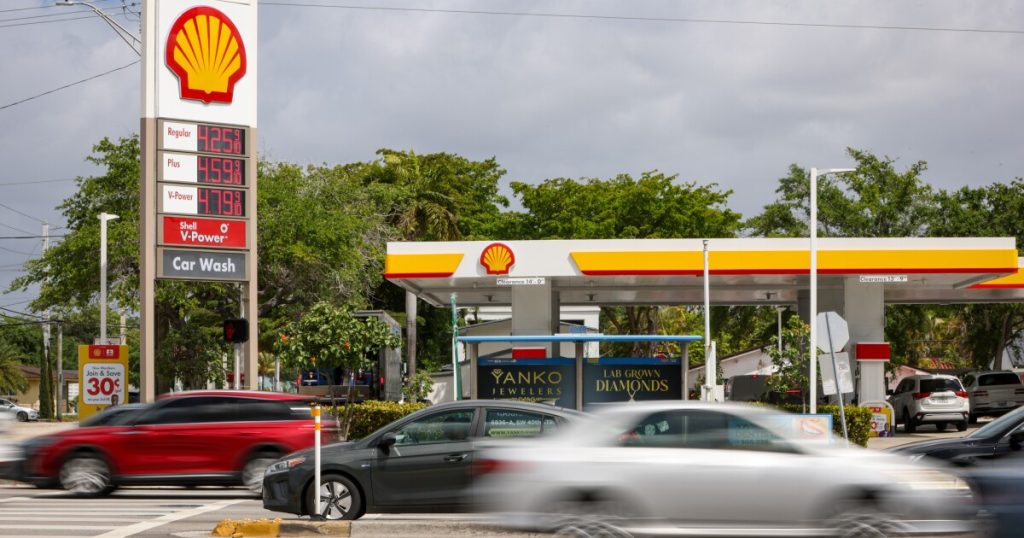
So, again, none of this looks terrible, but of course we’re talking about only one month. And, the price of gas at the pump didn’t jump higher as soon as the bombs started falling. The average price was $2.98 on Feb. 26, according to the AAA. The war started on the 28th. It was $3.25 on March 5. It was $3.89 on March 19. It was $4.16 on April 9.
How long will those prices remain high? How long does it take for higher gas prices to start affecting people’s behavior? How long does it take for higher oil prices to seep through to the prices for everything that requires fuel at some point during its creation (hint, that is just about everything)?
In other words, even the effects of the war in March didn’t really start to be felt until well into the month. So, yeah, maybe it’s not a terrible idea to sock away an extra $4 billion if you’ve got it. Just in case.